Burton's brief was elegant in its simplicity: Ride Your Own Line. Three words that said everything and nothing, which is usually the sign of a great brief. The question it left for us was: what does that mean when the snow is not there?
Snowboard culture, in its truest form, was never just about mountains. It grew out of skateboarding, and skateboarding grew out of cities. The best snowboarders in the world are urban creatures who migrate to snow for the winter and return to concrete the moment the season ends. Tokyo in January is a perfect expression of that duality — the city is cold, clean, and architecturally complex in a way that rhymes with mountain terrain. Steps and rails read like natural drops and ledges. The geometric patterns of pedestrian crossings and parking structures echo the lines that advanced riders draw across fresh powder.
We shot for eleven days across five locations: three in central Tokyo, one in the mountain town of Hakuba in Nagano Prefecture, and one at an indoor snowpark in Chiba. The Tokyo sequences were the creative heart of the campaign — riders moving through Shibuya, Shimokitazawa, and the industrial port district of Koto in full Burton kit, carrying their boards on packed commuter trains, eating ramen in cramped basement shops, moving through the city with the relaxed confidence of people who own their environment.
Our DOP, Ryu Nakamura, grew up between Sapporo and Osaka and has an extraordinary eye for the way Japanese light works — particularly in winter, when the sun stays low and the shadows are long and directional. Ryu built our Tokyo sequences around available light exclusively, which meant early mornings and the magic hour before 5pm when the city glows amber and blue simultaneously. We ran handheld throughout: a Sony Venice 2 with a Fujinon Premista 28-100mm zoom for the follow work, and a set of Leica Summicron-C primes for the portrait and close material.
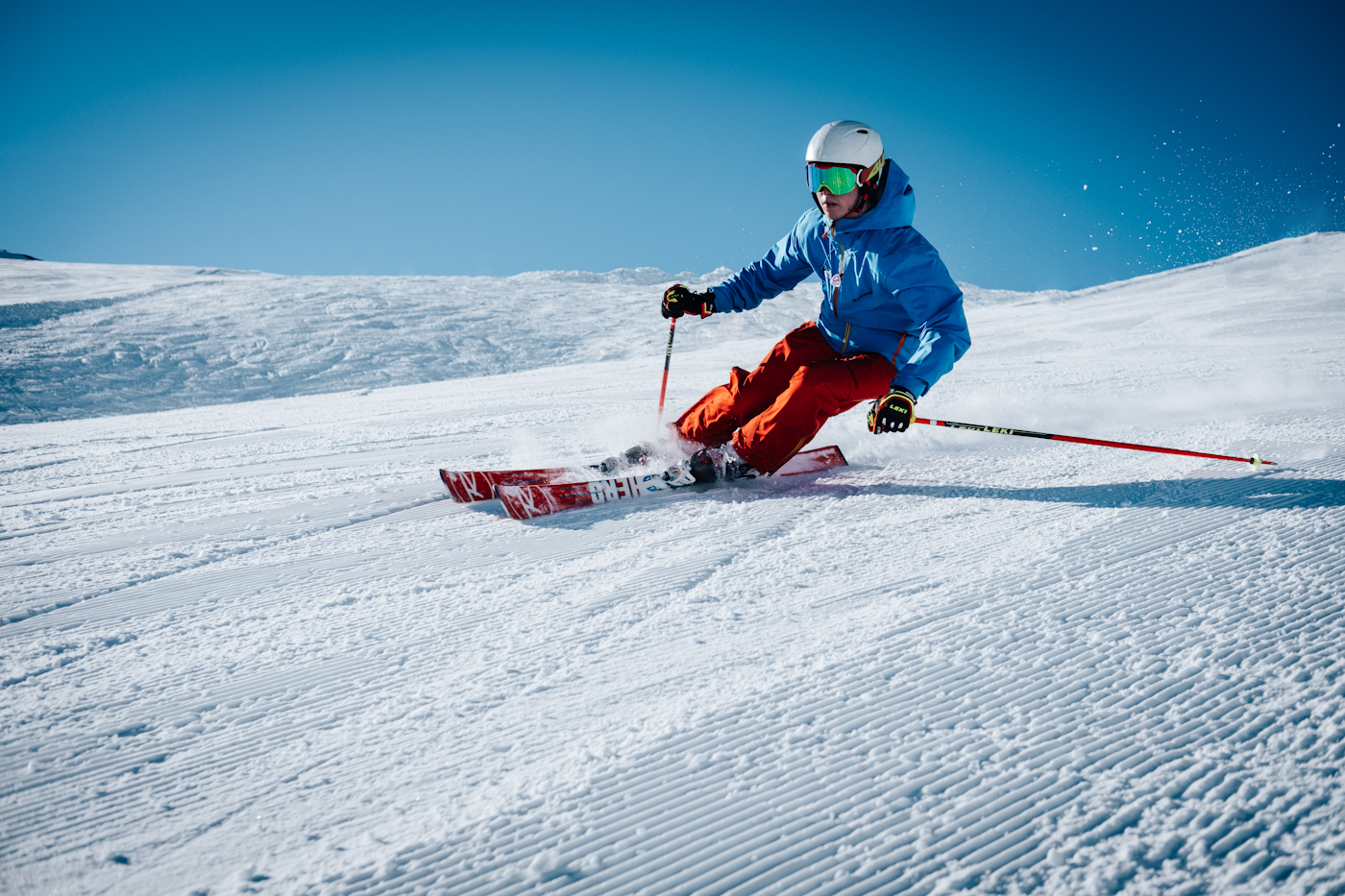
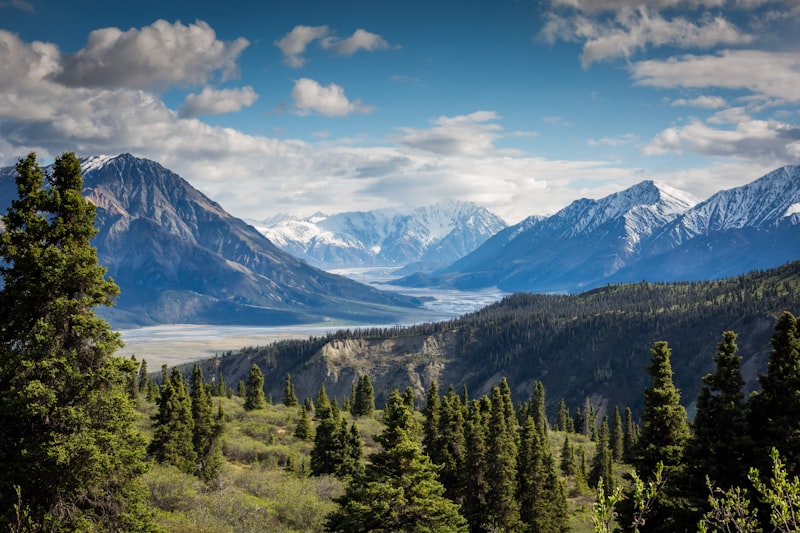
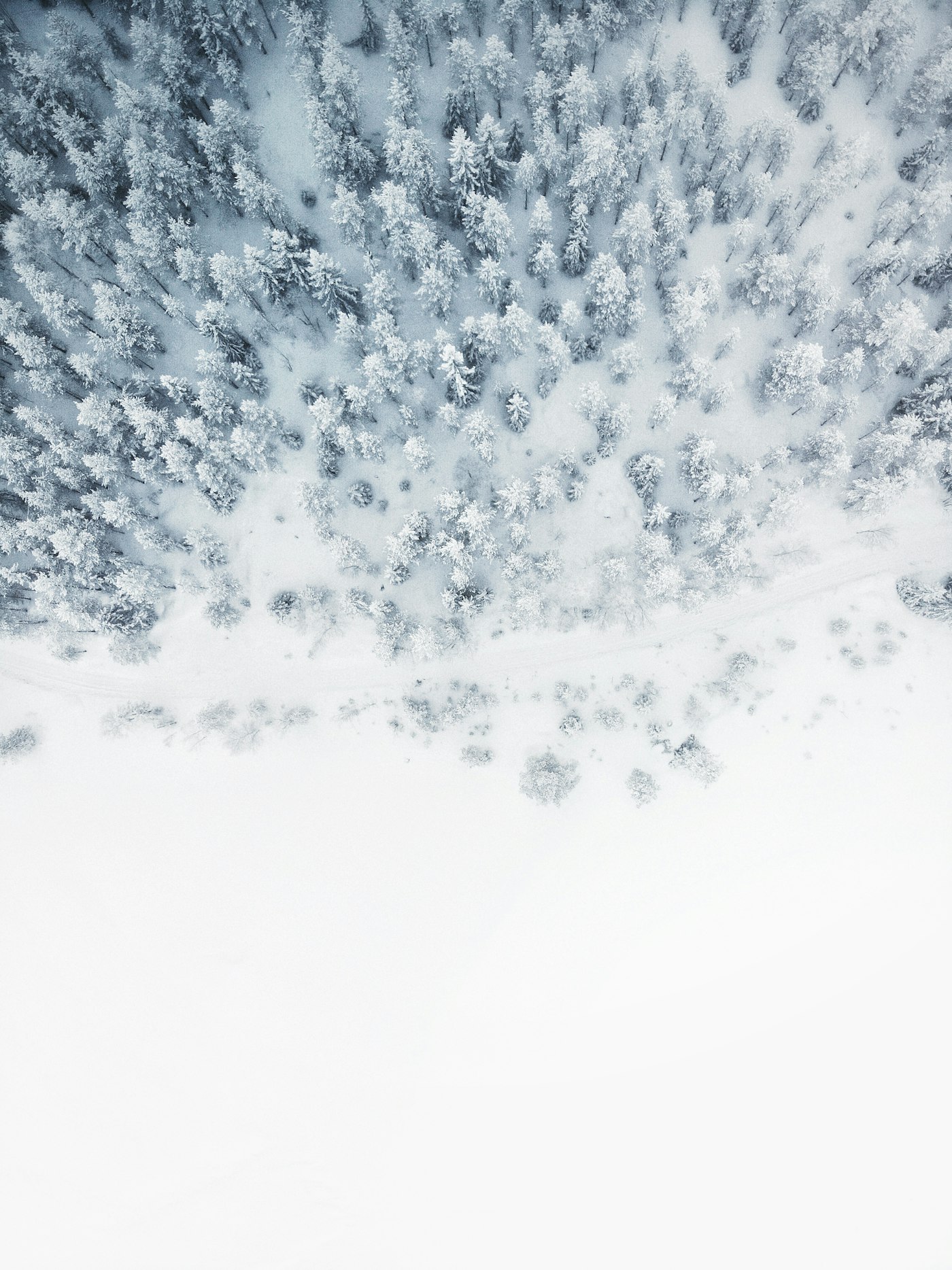
Hakuba was a different world. We had four days there and we used them entirely for the mountain work — aerial sequences shot from a custom drone rig that Ryu had flown in from Sapporo, tracking shots on snow using a purpose-built camera sled, and portrait work against the mountain face at golden hour. The riders were all working professionals from the Japanese snowboard circuit, and watching them ride was a reminder of why this brief existed in the first place. They were extraordinary.
The edit took four weeks. Our editor, Yuki Haramoto, structured the film as an alternating rhythm between city and mountain — two environments that seem unrelated until you understand they are expressions of the same impulse. The music was composed by a Tokyo-based electronic artist who layered field recordings from both environments under an electronic score: the hiss of train doors, the creak of bindings, the distant sound of a city that never fully sleeps.
Burton called it the best brand film they had made in a decade. We are not sure that is true — but we know it is honest, and on this project, that was the same thing.